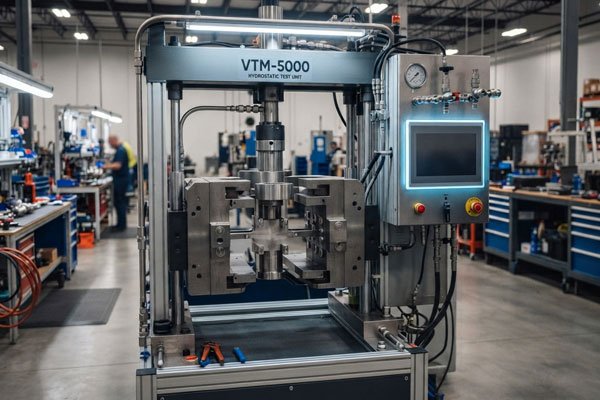
A Valve Testing Machine is specialized equipment used to test the pressure resistance, sealing performance, and operational reliability of industrial valves. It helps manufacturers and industries verify that valves can safely perform under specified operating conditions.
How Does a Valve Testing Machine Work?
A valve is securely mounted on the testing machine and subjected to controlled hydraulic pressure. The machine monitors the valve for leakage, pressure holding capacity, and sealing performance. Depending on the valve type and testing requirement, different pressure levels and test procedures can be applied.
Types of Valve Testing Machines
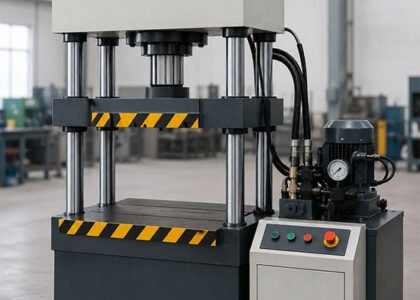
Valve testing equipment can be designed for different valve sizes, pressure ratings, and industrial requirements. Common configurations include hydraulic valve testing machines, valve pressure test benches, and customized valve testing systems.
Applications of Valve Testing Machines
Valve testing machines are widely used in oil & gas, petrochemical, chemical, power generation, manufacturing, and process industries. They are useful for testing various industrial valves before installation, maintenance, or final quality inspection.
Benefits
A suitable valve testing machine provides controlled testing conditions, helps identify leakage and sealing problems, improves quality control, and supports reliable valve performance. It also reduces the need for manual testing and improves testing consistency.
Conclusion
For industries where valve reliability and pressure performance are critical, a properly designed Valve Testing Machine provides an efficient and controlled solution for inspection and quality testing. Selecting the right machine according to valve size, pressure rating, and testing requirements is essential for dependable results.